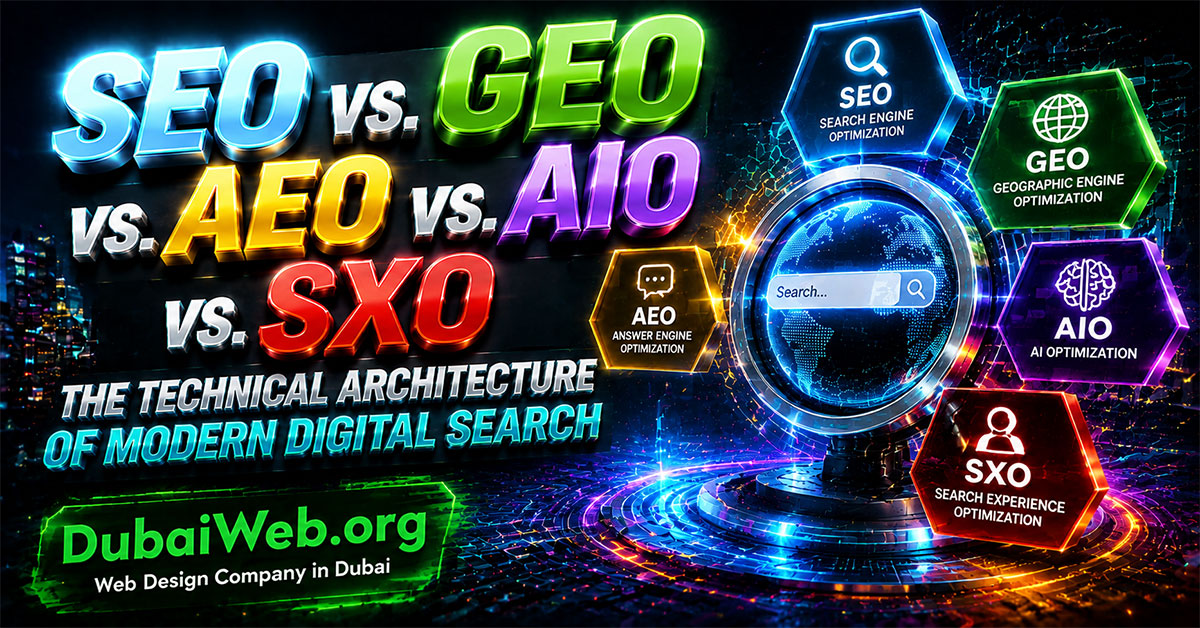
The modern digital landscape has fundamentally expanded the scope of technical search engine optimization. Technical SEO is no longer just about fixing broken links or resolving isolated errors; it is about building an advanced, highly resilient website architecture that search engines, conversational AI assistants, and humans can instantly parse, interpret, and trust.
As search experiences pivot toward AI-powered summaries and conversational engines, your technical foundation dictates whether your brand acts as a primary data source or becomes digitally invisible. This framework forms the baseline for both Answer Engine Optimization (AEO) and Generative Engine Optimization (GEO). AI platforms systematically reward web assets that feature clean schemas, flawless semantic structures, rapid rendering speeds, and seamless crawl paths.
The Definitive Technical SEO Tool Suite for Modern Infrastructure
To construct an authoritative, highly discoverable web asset, engineers and digital specialists rely on a specialized stack of diagnostic and analytics tools. Each platform resolves specific bottlenecks in crawlability, indexation, speed, and structural entity mapping.
1. Google Search Console
Google Search Console serves as the foundational data link between a web server and search engines. It provides first-party validation directly from the index core.
- Core Strengths: Essential for identifying crawling & indexing issues, monitoring Core Web Vitals, executing precise URL inspection, and tracking granular search performance analysis.
2. Screaming Frog
Screaming Frog is an industry-standard desktop crawler designed for comprehensive local machine extraction and deep architectural auditing.
- Core Strengths: Excels at programmatic website crawling, discovering broken links & complex redirect chains, isolating duplicate content, and mapping crawl depth analysis to optimize budget efficiency.
3. Semrush
Semrush functions as a holistic data management suite, offering comprehensive visibility into the health metrics of high-scale enterprise platforms.
- Core Strengths: Deep technical site audits, automated daily site health monitoring, extensive crawl reporting logs, and technical issue prioritization matrices.
4. Ahrefs
Ahrefs is built upon a highly sophisticated proprietary web crawler, providing definitive datasets regarding off-page signals and deep link mechanics.
- Core Strengths: Enterprise-grade backlink analysis, cloud-driven site audits, advanced crawl diagnostics, and granular competitor analysis.
5. PageSpeed Insights
Powered by Lighthouse and real-world Chrome User Experience Report (CrUX) datasets, PageSpeed Insights analyzes real-world front-end rendering performance.
- Core Strengths: Direct performance auditing for Core Web Vitals, page performance analysis, mobile-responsiveness grading, and user experience (UX) diagnostics.
6. Sitebulb
Sitebulb provides highly specialized visual data representations of complex internal linking hierarchies and structural site patterns.
- Core Strengths: Contextual visual SEO audits, graphical crawl visualization, site architecture analysis, and advanced internal linking audits to optimize equity distribution.
7. SE Ranking
SE Ranking offers a balanced, cloud-hosted suite engineered for continuous tracking, reporting, and operational health logging.
- Core Strengths: Automated technical site audits, accurate search rank tracking, white-label SEO reporting, and persistent cloud website monitoring.
8. Rich Results Test
As GEO and AEO depend entirely on semantic data, the Rich Results Test acts as the primary code validator for explicit web entities.
- Core Strengths: Comprehensive schema validation, rich result rendering testing, and structured data debugging for optimal machine interpretation.
Technical Auditing Matrix: Tool Selection Criteria
To help your team allocate resources effectively, this structured matrix maps each industry platform to its primary operational application:
| Diagnostic Tool | Primary Focus Area | Ideal Verification Cycle |
| Google Search Console | First-Party Indexation Status | Continuous / Daily Checkups |
| Screaming Frog | Deep Link & Canonical Crawls | Per Deployment / Monthly Audits |
| Semrush & Ahrefs | Competitor Intelligence & Health Logs | Weekly Maintenance |
| PageSpeed Insights | Front-End Core Web Vitals | Per Code Commit / Bi-Weekly |
| Sitebulb | Semantic Site Architecture & Silos | Quarterly Overhauls |
| SE Ranking | Daily Rank Tracking & Visibility Alerts | Continuous Automation |
| Rich Results Test | JSON-LD Schema Formatting Validation | Per Template Implementation |
Transforming Infrastructure for GEO and AEO
Integrating these tools into a systematic review pipeline changes the way search systems ingest your digital property. When a generative AI model answers a conversational prompt, it queries a semantic database of pre-parsed web documents. If a site features slow edge rendering times, broken internal pathways, or poorly constructed data loops, the LLM parser skips the node completely.
Ensuring your code is fully optimized means optimizing for multi-modal access. Websites that feature exceptionally fast Largest Contentful Paint (LCP) times, clean semantic HTML5 hierarchies, and perfectly aligned JSON-LD schema schemas are consistently selected as foundational citation references in AI-generated answers.
Frequently Asked Questions
What is the difference between traditional SEO, AEO, and GEO?
Traditional SEO focuses on aligning metadata and keyword maps to rank within a traditional list of organic blue links. Answer Engine Optimization (AEO) aims to supply precise snippets for structured question-and-answer engines (like voice assistants). Generative Engine Optimization (GEO) focuses on formatting multi-layered, authoritative content clusters so that AI engines can easily synthesize, cite, and link to your site within complex conversational results.
How do crawl visualization tools like Sitebulb improve search performance?
Crawl visualization platforms allow developers to see exactly how search bots distribute page rank through your internal link graph. Identifying isolated orphan pages or complex redirect loops helps you flatten your directory depth, ensuring critical business pages receive optimal crawl attention and indexing priority.
Why is schema validation critical for modern AI-driven search?
AI search models do not read text like humans; they look for explicit relationships between defined entities. Validating your code with the Rich Results Test ensures your schema markup outlines your products, services, organization, and authors clearly, eliminating any semantic ambiguity for artificial intelligence crawlers.
Engineering High-Performance Digital Solutions
Building a robust online presence requires an intimate knowledge of server mechanics, clean code compilation, and intelligent search optimization. For modern businesses seeking to establish a commanding digital presence, partnering with top-tier technical architects is essential. Elevate your brand’s digital infrastructure and secure sustainable organic visibility by scaling your platform with our premium solutions for web design in dubai, meticulously engineered by the technical development team at Dubai Web.